
Herbs Raw Material
Herbs Raw Material
Please, enter the quantity (kg) of the selected product above before adding it to the Free Quotation.
Product Information
Herbs Raw Material of Brazil
What are the benefits of medicinal herbs, plants and how do they work?
- Benefits of Herbs Raw Material
For millennia, civilizations around the world have used medicinal plants to prevent and treat diseases.
Before laboratories, pills with unpronounceable names, or medicine as we know it, people were already healing wounds with leaves, calming fevers with roots, and controlling anxiety with simple infusions.
And no matter how much science has advanced, these plants haven't remained in the past.
The relationship between medicinal plants and humans is over 50,000 years old, with remains of plant species being found in archaeological sites and more than 10,000 types listed to date.
Although they shouldn't replace medications prescribed by a doctor, it's possible to integrate some medicinal plants into your routine to prevent and treat minor conditions.
So, if you want to understand why medicinal plants remain so relevant—not as replacements for everything, but as powerful allies—this is for you.
- What are Medicinal Herbs Raw Material?
Have you ever stopped to think that nature is a veritable open-air pharmacy? Since the beginning of time, humankind has turned to medicinal plants to relieve pain, treat illnesses, and care for their health.
Medicinal plants are plant species that carry, in their leaves, roots, seeds, flowers, and fruits, compounds that have a therapeutic effect.
This knowledge began thousands of years ago, when our ancestors tested everything based on intuition. It was trial and error: what healed was kept; what was harmful was avoided.
Gradually, we discovered which plants truly had healing potential and which were toxic. This knowledge was passed down from generation to generation and was not lost.
On the contrary—today, medicinal plants are the basis of phytotherapy and homeopathy, entire areas of medicine that study their use in the treatment of diseases.
And look: there are hundreds of thousands of plant species with known medicinal properties.
Since they come from nature, many of them are closer than we imagine—in backyards, gardens, markets, and even by the roadside.
Each plant is a chemical universe. Inside a single leaf, for example, there are thousands of active compounds that interact powerfully with each other.
That's where a super interesting concept comes in: synergy. Unlike synthetic medications, which generally have a single isolated active ingredient, plants work together.
The compounds present complement each other, enhance each other, and balance each other.
And it is this natural combination that makes many plants have not only curative but also preventive effects—helping the body stay healthy every day.
- Medicinal Herbs Raw Material: What are they for?
When we talk about medicinal plants, the first thing that comes to mind is "natural care"—and that's exactly it.
These plants are used to prevent, treat, or alleviate physical and emotional symptoms, and they work far beyond tea for a stomach ache or boldo leaves after a heavy lunch.
They truly act on the body. Their bioactive compounds interact with our organism, regulating functions, relieving pain, fighting viruses, bacteria, and even inflammation.
And this doesn't just cover specific problems, like a cold or digestive upset. Many plants help control chronic diseases, such as hormonal imbalances, diabetes, arthritis, and metabolic disorders.
In the area of preventative health, some plants strengthen the immune system, others help the liver function better, and there are even those that help cleanse the body.
In many communities, especially where access to healthcare is limited, medicinal plants are the first choice for care.
They are part of the culture, the tradition, the knowledge passed down from generation to generation—and they function as a link between ancestral medicine and modern science.
In fact, contemporary medicine has been paying much more attention to them. Many people undergoing treatments such as chemotherapy, for example, use plants to relieve nausea, fatigue, or insomnia.
And in the integrative approach — the one that works on body, mind and well-being — they are combined with practices such as acupuncture, meditation and mindful eating.
The pharmaceutical industry is also involved. It thoroughly investigates these plants, isolates the most potent compounds, and develops medicines that treat everything from hypertension to autoimmune diseases.
Now, an important warning: not everything that is natural is safe. Using medicinal plants without knowing how they work, without guidance, or in excess, can be harmful.
Many medicinal plants interact with conventional medicines; others require precise dosage to avoid unwanted side effects.
Today, they are everywhere—in capsules, teas, extracts, and tinctures—and this further increases the responsibility for their conscious use.
- What is the difference between Herbs Raw Material, Medicinal Plants and Phytotherapeutic Products?
Although both are linked to the use of plants for therapeutic purposes, the difference lies in the preparation process and standardization.
Herbs Raw Material, Medicinal Plants are plant species in their natural state or dried, traditionally used in forms such as teas, compresses, or infusions.
They retain their natural chemical composition, which varies according to cultivation, climate, and drying method. For example, mint leaves harvested at home for a tea against indigestion fall into this category.
Phytotherapeutic Products, on the other hand, are industrialized products derived from these plants, subjected to technological processes that isolate or concentrate their active principles.
They undergo tests that guarantee quality standards, precise dosage, and safety—such as Ginkgo biloba capsules with standardized flavonoid extract.
This standardization allows for reproducible effects, unlike traditional medicinal plants, whose effectiveness can vary.
In Brazil, phytotherapeutic products are registered with ANVISA (Brazilian Health Regulatory Agency) and require scientific proof of efficacy and safety.
Medicinal plants, when sold as dried herbs or sachets, do not undergo the same rigor, except if they are part of registered products.
For example, loose chamomile tea is not considered a phytotherapeutic product, but a liquid chamomile extract sold in pharmacies is.
Furthermore, herbal remedies are more indicated for specific treatments (such as benign prostatic hyperplasia with saw palmetto), while medicinal plants are used more broadly.
Both have therapeutic value, but choosing between one and the other depends on the clinical need, the desired quality control, and professional guidance.
- - - - - - - - - - - - - - - - - - - - - - - - - - - - - - - - - - - - - - - - - - - - -
Buy Brazilian Herbs, Herbs Raw Material, Medicinal Plants of Brazil! / ¡Compra hierbas brasileñas, materia prima de hierbas y plantas medicinales de Brasil!
Where to buy the best Brazilian Herbs, Herbs Raw Material, Medicinal Plants Wholesale, in bulk? / ¿Dónde comprar las mejores hierbas brasileñas, materia prima de hierbas, plantas medicinales al por mayor y a granel?
Prover Brasil for Export Ltda. is one of the leaders in exporting this Superfood/Herb, as well Herbs Raw Material, Herbs Extracts in Brazil. / Prover Brasil for Export Ltda. es una de las empresas líderes en la exportación de este superalimento/hierba, así como de materia prima y extractos de hierbas en Brasil.
We are Exporter / Wholesaler of Brazilian Herbs, Herbs Raw Material, Medicinal Plants all over the world! Contact us to get the best prices by Air or by Express Courier or by Sea. / Somos exportadores y mayoristas de hierbas brasileñas, materia prima para hierbas y plantas medicinales a nivel mundial. ¡Contáctenos para obtener los mejores precios por vía aérea, mensajería urgente o marítima!
Import Wholesale Bulk Herbs Raw Material, Medicinal Plants of Brazil! We have the best price! / ¡Importa hierbas medicinales a granel al por mayor y plantas medicinales de Brasil! ¡Tenemos el mejor precio!
Where can I buy herbs in bulk? / ¿Dónde puedo comprar hierbas a granel?other products
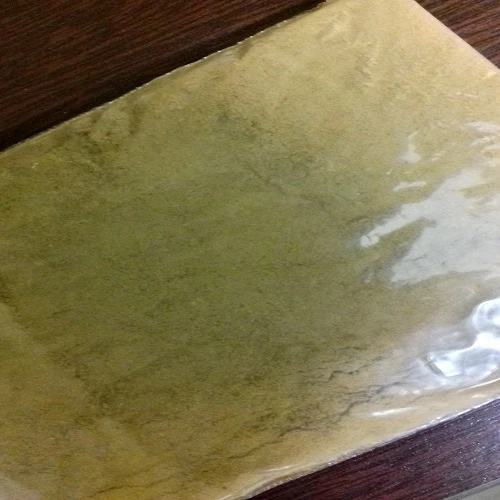
Graviola Products
Annona muricata
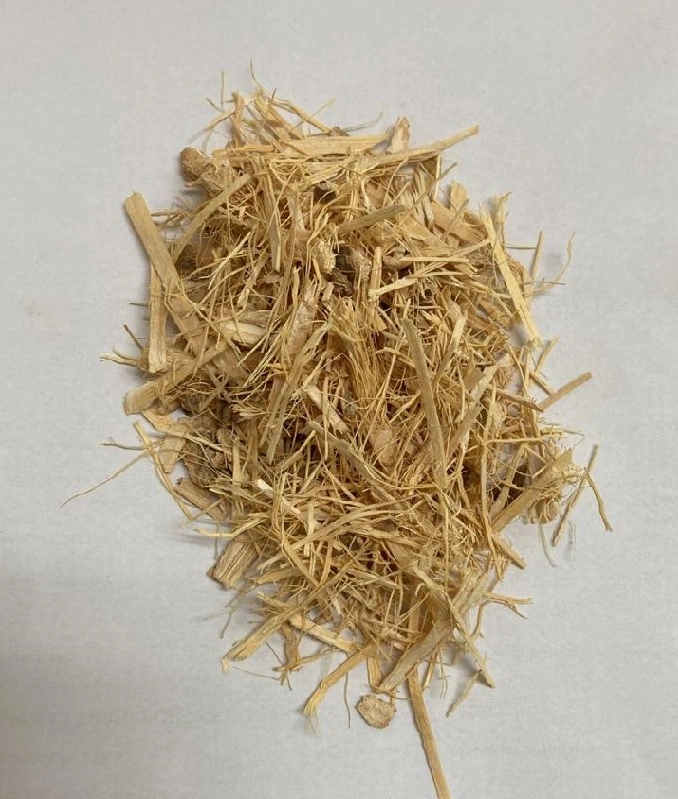
Tayuya Root Products
Cayponia tayuya (Vell) Cogn.
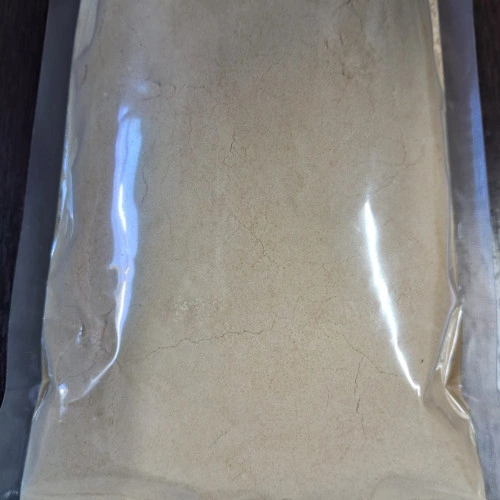
Camu Camu Fruit Powder
Myrciaria dubia H. B. K. (McVough)
Avocado Products
Persea Gratissima