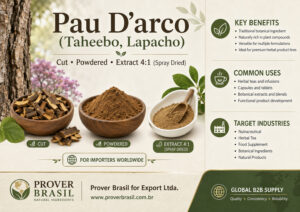

Pau D Arco, also written Pau D’Arco, is one of South America’s best-known bark botanicals. International buyers may encounter this botanical under several commercial names, including Taheebo, Lapacho, Lapacho Bark, Pau D’Arco Bark and Ipe Roxo.
Although these names are frequently used interchangeably, professional ingredient selection should begin with botanical identity, plant part, processing format and product documentation.
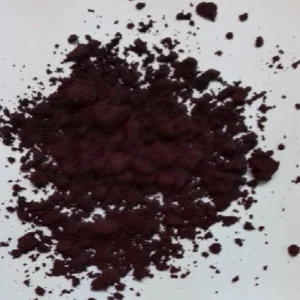
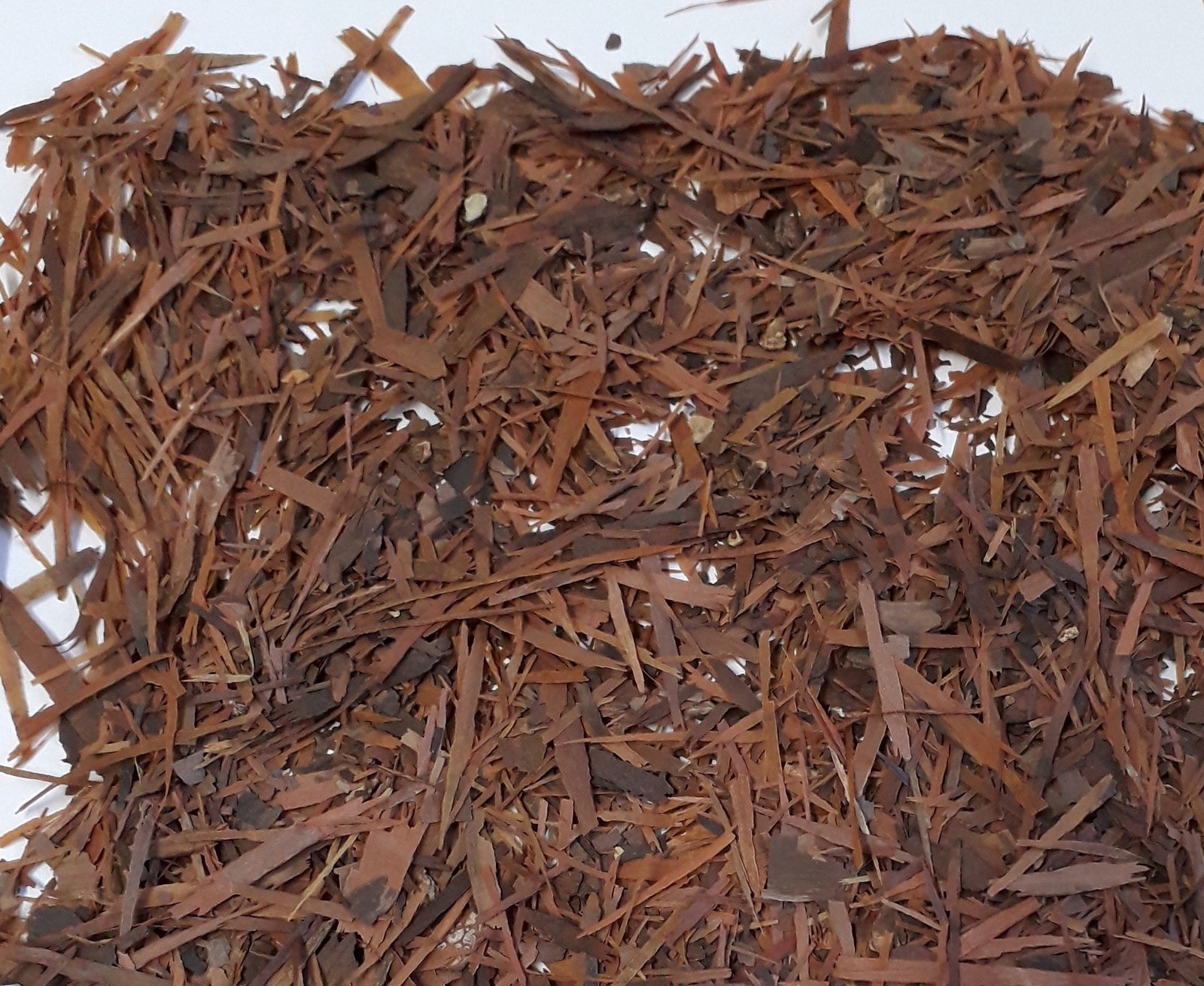
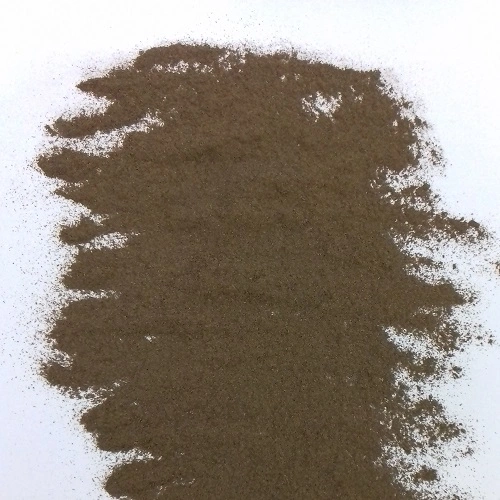
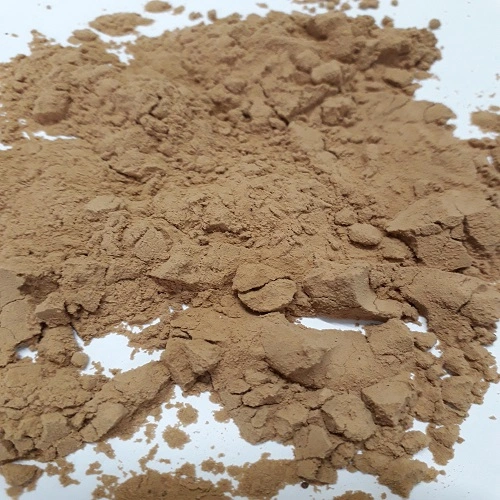
Prover Brasil for Export Ltda. supplies three distinct Pau D Arco bark ingredients for international business:
Each Pau D Arco format serves a different purpose. Powder provides the complete milled-bark profile, extract offers a concentrated ingredient for specialized formulations, and cut bark is particularly suitable for herbal infusions, loose botanical blends and repacking operations.
Commercial name: Pau D’Arco
Alternative names: Taheebo, Lapacho, Lapacho Bark and Ipe Roxo
Botanical name used in international trade: Tabebuia avellanedae Lorentz ex Griseb.
Currently accepted botanical name: Handroanthus impetiginosus (Mart. ex DC.) Mattos
Botanical family: Bignoniaceae
Plant part: Bark
Origin: Brazil
Botanical nomenclature can change as plant-classification systems are revised. According to Plants of the World Online from Kew Science, Tabebuia avellanedae is currently classified as a synonym of Handroanthus impetiginosus.
The former name remains widely recognized by international buyers, formulators and researchers. Both names can therefore appear in commercial and technical descriptions, provided that the botanical identity is consistent with the applicable product documentation.
Pau D’Arco, Taheebo and Lapacho are common names rather than complete botanical specifications. Depending on the country or commercial tradition, these terms may be associated with more than one related botanical species.
A professional purchasing specification should identify:
This approach allows procurement teams to compare ingredients accurately without relying solely on regional or popular names.
The choice between bark powder, bark extract and cut bark depends on the intended application, production process and desired ingredient characteristics.
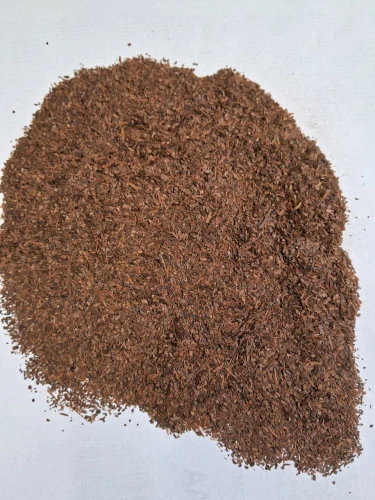
Pau D’Arco Bark Powder is produced by drying and milling selected bark into a relatively uniform powder. It retains the characteristic color, aroma and naturally woody and bitter sensory profile associated with the botanical material.
The powder format can be evaluated for:
Particle size can influence blending, capsule filling, compression, dust generation and dispersion. Importers should therefore specify the mesh or particle-size range required for their equipment and formulation.
As a naturally derived ingredient, Pau D’Arco Bark Powder may present modest variations in color, aroma and flavor between batches. These variations should remain within the parameters established in the product specification.
Pau D’Arco Bark Extract is intended for formulations requiring a concentrated botanical input or a lower inclusion level than regular bark powder.
The characteristics of an extract may vary according to:
The word “extract” alone does not define concentration or equivalence. Two products identified by the same extraction ratio may differ in processing method, native solids, carrier content and analytical profile.
Potential applications include:
Before purchasing, formulators should examine the applicable specification and verify whether the extract is appropriate for the intended use and destination market.
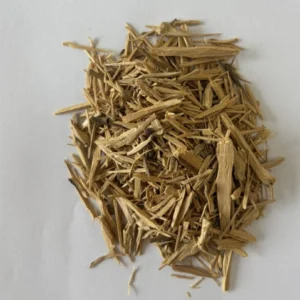
Cut Pau D’Arco Bark consists of dried bark reduced to specified pieces instead of being milled into a fine powder. It offers visible botanical identity and is particularly relevant when appearance, infusion performance and handling are important.
Common applications include:
Cut dimensions should be defined before ordering. A coarse cut may be suitable for loose-tea presentations, while a smaller cut provides greater surface area during infusion.
The color, thickness and shape of the bark may vary naturally. Quality evaluation should consider botanical identity, cleanliness, foreign matter, moisture and agreed cut dimensions instead of color alone.
| Product format | Main characteristic | Typical applications | Important purchasing consideration |
|---|---|---|---|
| Pau D’Arco Bark Powder | Whole bark in milled form | Capsules, powder blends and sachets | Particle size and processing behavior |
| Pau D’Arco Bark Extract | Concentrated processed ingredient | Supplements and botanical formulations | Extraction ratio, carrier and test method |
| Cut Pau D’Arco Bark | Visible dried bark pieces | Loose teas, infusions and repacking | Cut dimensions, cleanliness and infusion profile |
No format is universally superior. The appropriate choice depends on the formulation objective, processing equipment, required concentration and regulatory classification in the destination country.
Pau D’Arco bark has a long history of traditional use in South America, particularly in decoctions and herbal infusions. This history helps explain the international recognition of names such as Taheebo tea and Lapacho tea.
The bark contains naturally occurring chemical constituents that have attracted scientific interest, including naphthoquinones, quinones and phenolic compounds. Lapachol and beta-lapachone are among the best-known researched compounds associated with the botanical.
Laboratory studies have investigated antioxidant, anti-inflammatory and antimicrobial activities in experimental Pau D’Arco extracts and isolated constituents.
A study published in Fitoterapia, for example, identified phenylpropanoid glycosides in a water extract of Tabebuia avellanedae and reported antioxidant activity in an in-vitro assay.
These findings are relevant for botanical research and ingredient characterization. However, results from isolated compounds, laboratory cells or animal models do not prove that commercial Pau D’Arco ingredients can prevent, treat or cure diseases in humans.
From an ingredient-development perspective, Pau D’Arco bark products offer several potential advantages:
These are commercial and formulation-related benefits and should not be interpreted as promises of clinical results.
Cut Pau D Arco Bark is the most recognizable option for traditional infusions. It may be offered as a single botanical or incorporated into complex herbal-tea blends.
Tea developers should evaluate:
Its woody and naturally bitter flavor may require sensory balancing when combined with other herbs.
Pau D Arco Bark Powder and Bark Extract can be evaluated for capsules, tablets and multi-botanical combinations.
The selected format should reflect:
Finished-product companies are responsible for determining whether the ingredient and intended claims comply with the regulations of the destination market.
Pau D Arco can be included in traditional South American botanical collections, bark-based formulations and herbal concepts inspired by Brazilian ingredients.
Pilot testing is recommended because natural powders and extracts can behave differently in relation to:
Importers and botanical distributors can select different formats for different customer groups.
Cut bark may serve tea companies, herbal-product businesses and botanical stores. Powder and extract may be more suitable for supplement companies, formulation laboratories and industrial buyers.
Clearly differentiating the three formats reduces purchasing errors and helps customers select the ingredient that matches their production requirements.
Professional procurement should go beyond the commercial product name. Before ordering, buyers should ask:
Depending on the agreed specification, relevant controls may include botanical identity, appearance, moisture, particle size, foreign matter, microbiological parameters and other market-specific analyses.
Pau D’Arco bark ingredients should generally be stored in tightly closed packaging and protected from moisture, excessive heat, direct sunlight and strong odors.
After opening, the packaging should be properly resealed to reduce environmental exposure and contamination risks. Warehouses should maintain appropriate stock rotation, pest control and traceability procedures.
The definitive packaging, shelf life and storage requirements must follow the product specification and batch documentation.
Scientific evidence concerning the effectiveness and long-term safety of Pau D’Arco preparations in humans remains limited. Findings from laboratory research should not be converted into unsupported therapeutic claims.
Memorial Sloan Kettering Cancer Center reports that various laboratory activities associated with Pau D’Arco have not been adequately demonstrated in humans. The institution also identifies a possible bleeding concern when Pau D’Arco is combined with anticoagulant or antiplatelet medicines.
For responsible communication:
This page provides information for professional buyers and does not constitute medical advice.
Pau D Arco Bark Powder, Pau D’Arco Bark Extract and Cut Pau D’Arco Bark give buyers three ways to work with this recognized Brazilian botanical.
Prover Brasil for Export Ltda. supports international inquiries for Brazilian herbs, botanical raw materials and botanical extracts. Buyers can request information according to the required format, application, quantity and destination country.
Explore our herbal raw materials or browse our complete product portfolio.
When contacting Prover Brasil, please include:
Prover Brasil for Export Ltda.
Brazilian botanical ingredients for international trade
Contact Prover Brasil for product information
These names are frequently used for closely related commercial ingredients. However, common names alone do not guarantee identical botanical identity. Buyers should verify the scientific name, plant part and product specification.
No. Bark powder consists of dried and milled botanical material. An extract undergoes an additional extraction process and may contain a carrier or have a declared extraction ratio.
Cut Pau D’Arco Bark is generally the most suitable format for loose teas and visible botanical blends. Powder may be used in certain sachets, but its filtration and infusion behavior should be tested.
It may be considered for capsule formulations, subject to particle size, bulk density, flow, serving level and the regulatory requirements of the destination market.
The buyer should confirm botanical identity, plant part, extraction ratio, extraction solvent, carrier content, physical characteristics and analytical documentation.
Available research does not justify presenting commercial Pau D’Arco ingredients as treatments or cures. Much of the published evidence comes from laboratory and animal studies, while evidence from human studies remains limited.