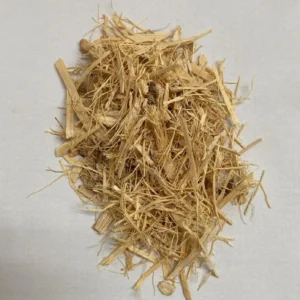

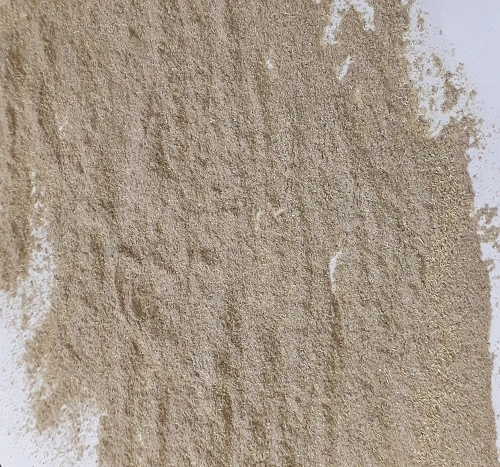
Scientific name used commercially: Pfaffia paniculata (Mart.) Kuntze
Accepted taxonomic name: Hebanthe erianthos (Poir.) Pedersen
Family: Amaranthaceae
Common names: Suma, Brazilian Ginseng, Suma Root
Plant part: Root
Origin: Brazil
Available forms: Root Powder and Extract 1:1 (spray dried)
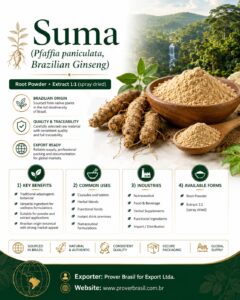
Pfaffia Paniculata Suma Products from Brazil include Suma Root Powder and Suma Extract 1:1 spray dried for importers, distributors, wholesalers and professional B2B buyers worldwide.
Our Suma product line includes:
These two formats provide different options for companies developing botanical supplements, capsules, tablets, powdered blends, beverage concepts and other products where the ingredient is permitted by the regulations of the destination market.
For additional Brazilian ingredients, explore our Brazilian botanical ingredients catalog and Brazilian herbs raw materials.
Suma is a South American botanical ingredient traditionally associated with the roots commercially identified as Pfaffia paniculata. In international trade, the ingredient is also widely known as Brazilian Ginseng.
The name “Brazilian Ginseng” is a common commercial name. Suma should not be confused with Asian or American ginseng from the Panax genus.
Royal Botanic Gardens, Kew currently lists Pfaffia paniculata (Mart.) Kuntze as a synonym of the accepted name Hebanthe erianthos (Poir.) Pedersen. For international purchasing, botanical identity, plant part and batch documentation should therefore be clearly specified.
Buyers can review the botanical record at Royal Botanic Gardens, Kew – Plants of the World Online.
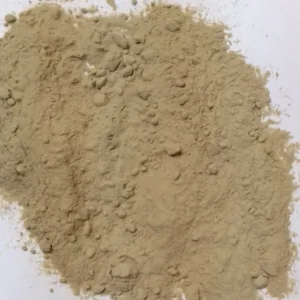
Suma Root Powder is produced from dried Suma root that is milled into a suitable powder.
Unlike an extract, the powder retains the broader physical matrix of the botanical raw material. It generally has a natural beige-to-brown appearance and an earthy botanical profile.
Exact color, aroma, particle size and other physical characteristics may vary according to raw material and batch specifications.
Depending on local regulations and formulation requirements, Suma Root Powder may be evaluated for:
Because Suma Root Powder consists of finely milled plant material, it should not automatically be considered fully water-soluble.
Companies developing beverage products should evaluate dispersibility, sedimentation, flavor, particle size, stability and compatibility with other ingredients before commercial production.
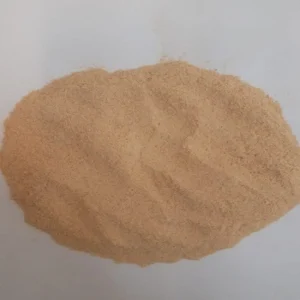
Suma Extract 1:1 is produced through an extraction process followed by spray drying to obtain a powdered botanical extract.
The extract format differs technically from conventional Suma Root Powder.
The stated 1:1 extraction ratio should be interpreted according to the applicable product specification. An extraction ratio alone does not establish the concentration of a particular active compound or prove therapeutic potency.
Professional buyers should therefore confirm the complete technical specification before approving the ingredient.
Depending on the commercial specification, buyers may request information regarding:
The final specification should always be reviewed before formulation or import approval.
Suma Root Powder and Suma Extract 1:1 are not interchangeable ingredients.
Suma Root Powder may be suitable when the formulation requires:
Suma Extract 1:1 may be considered when the project requires:
The correct choice depends on formulation objectives, local regulations, technical specifications and finished-product requirements.
Suma offers a distinctive combination of Brazilian origin, recognized commercial terminology and flexible ingredient formats.
For international product developers, its principal commercial advantages include:
These advantages relate to sourcing and formulation. They should not be interpreted as medical or therapeutic claims.
Suma Root Powder and Suma Extract 1:1 may be evaluated by companies operating in sectors such as:
Botanical powders and extracts may be incorporated into capsules, tablets, powdered blends and other formats where permitted.
Formulators should evaluate dosage calculations, particle size, density, flow and compatibility with other ingredients.
Suma can be incorporated into multi-botanical ingredient concepts developed around Brazilian and South American plants.
Related products available from Prover Brasil include Muira Puama products and Guarana products.
Suma ingredients may be evaluated for selected powdered beverage and premix concepts where legally permitted.
Technical testing should consider flavor, dispersibility, sedimentation, color and stability.
Companies developing fruit and botanical beverage concepts may also review our Camu Camu fruit products and Acai products from Brazil.
Depending on the regulatory classification in the destination country, Suma may be evaluated for selected plant-based or botanical food concepts.
Regulatory acceptance should always be confirmed before importation, formulation, labeling or marketing.
Pfaffia paniculata has attracted scientific interest because researchers have identified and investigated naturally occurring botanical constituents, including triterpenoid compounds and saponin-related constituents.
For example, research published in Planta Medica reported triterpenoids isolated from Pfaffia paniculata.
Laboratory and animal studies have also investigated extracts of Pfaffia paniculata in relation to inflammatory pathways and antimicrobial activity. These findings are primarily experimental and should not be interpreted as proof that commercial Suma Powder or Suma Extract treats or prevents disease in humans.
The composition of a commercial ingredient can vary according to botanical identity, plant part, raw-material quality, extraction method, solvent, extraction ratio, carrier system and other processing conditions.
Suma has a long-standing reputation in South American botanical traditions and is commonly marketed internationally under the name Brazilian Ginseng.
However, traditional use and experimental scientific research should be clearly distinguished from authorized health claims.
A commercial product page should not state that Suma cures, prevents or treats diseases unless a specific claim has been legally authorized in the destination market and is supported by the required evidence.
This distinction is especially important for international buyers that may sell the finished product in several regulatory jurisdictions.
Before purchasing Suma Root Powder or Suma Extract 1:1, professional buyers should evaluate the specification appropriate to their application.
Depending on the product and destination, relevant information may include:
Requirements differ between countries, industries and individual customers. Documentation should therefore be confirmed during the quotation and approval process.
Suma Root Powder and Suma Extract should be stored according to the conditions stated in the applicable product specification.
Botanical powders are generally protected from excessive heat, moisture, direct sunlight, strong odors and contamination.
Keep the material in properly closed packaging and follow appropriate hygiene procedures after opening.
The storage instructions and shelf life shown in the applicable specification take precedence over general recommendations.
Prover Brasil for Export Ltda. serves professional buyers seeking Brazilian botanical ingredients for international commercial use.
When requesting a quotation for Suma, please provide:
Providing this information helps the export team evaluate the appropriate commercial and logistical options for your project.
Learn more about Prover Brasil for Export Ltda. or browse our complete Brazilian product catalog.
You can also read our detailed Suma Root Powder sourcing guide for additional information about botanical identity and international sourcing.
Suma Root Powder is a milled botanical ingredient obtained from dried Suma root commercially identified as Pfaffia paniculata. It is also commonly known in international trade as Brazilian Ginseng Root Powder.
Suma Extract 1:1 is an extracted botanical ingredient supplied in spray-dried powder form. Buyers should review the product specification for information about extraction ratio, processing, solvent, carriers and analytical parameters.
No. “Brazilian Ginseng” is a common commercial name for Suma. It should not be interpreted as botanical equivalence with Asian ginseng or American ginseng from the Panax genus.
No. Root Powder is milled botanical material. Suma Extract undergoes an extraction process followed by additional processing. Their physical, formulation and analytical characteristics can therefore differ.
Conventional root powder should not automatically be considered completely water-soluble because it contains fine plant particles. Dispersibility and sedimentation should be tested in the final formulation.
The ratio describes the extract according to the applicable manufacturing and product specification. Buyers should not use the ratio alone as evidence of standardization or biological potency.
It may be evaluated for supplement formulations where the ingredient and intended use are permitted by the relevant regulatory authority. Requirements vary by country.
Depending on the product, order and destination, buyers may request the product specification, Certificate of Analysis, botanical identity, origin information, analytical results, packaging information and commercial export documentation.
Prover Brasil for Export Ltda. supplies Brazilian botanical ingredients to international B2B customers. Commercial conditions depend on product, quantity, destination, documentation and transportation requirements.
Are you looking for Suma Root Powder, Pfaffia paniculata Root Powder, Brazilian Ginseng Root Powder or Suma Extract 1:1 for commercial use?
Contact our export team and send:
Exporter: Prover Brasil for Export Ltda.
Country: Brazil
Website: www.proverbrasil.com.br
Business: International B2B wholesale supply of Brazilian botanical ingredients
Royal Botanic Gardens, Kew — Plants of the World Online. Pfaffia paniculata (Mart.) Kuntze. Kew currently treats this botanical name as a synonym of Hebanthe erianthos (Poir.) Pedersen.
View the Kew botanical record
Li J, Jadhav AN, Khan IA. Triterpenoids from Brazilian ginseng, Pfaffia paniculata. Planta Medica. 2010;76(6):635–639.
View the study on PubMed
Costa C et al. Anti-inflammatory effects of Brazilian ginseng (Pfaffia paniculata) on TNBS-induced intestinal inflammation: experimental animal research.
View the study on PubMed
Miranda DG et al. Pfaffia paniculata Extract, a Potential Antimicrobial Agent against Candida spp., Pseudomonas aeruginosa, and Streptococcus mutans Biofilms. 2024.
View the open-access study at PubMed Central
Scientific notice: Experimental, laboratory and animal findings do not establish that a commercial Suma ingredient can diagnose, treat, cure or prevent disease. Finished-product claims must comply with the regulations applicable in the destination market.